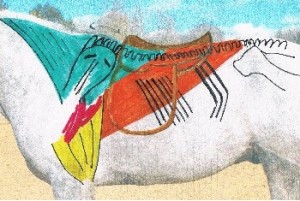
If we wear a pair of shoes that are too tight we will not be able to move or perform correctly. We will have varying amounts of pain that increases the more we move. It may start with a rub, then a blister, as we try to take the weight off our sore foot we compensate and get soreness in our limbs, which progresses into our back. Imagine for a moment we were then expected to give someone a piggy back, run in a circle or jump a course of fences. It is not a comfortable image and yet this is a similar scenario to what we often inadvertently subject our horses to with a saddle. Many of us can be found guilty of sharing saddles because we find a particular one comfortable. Some will put a saddle on a youngster knowing it is not the best fit, but with the intention of buying one that is a better fit when he grows and develops a bit more. By this time damage will have been done.
The saddle rests on a combination of bones and muscles. The spine, directly underneath the saddle protects the spinal cord and is responsible for communication within the body. It sends messages to and from the brain so the entire body can function. The saddle also encloses vital organs of the chest, such as the heart and lungs. The muscles underneath the saddle need to be able to function freely to allow the horse to move. It is therefore vital that this expensive piece of equipment fits well.
Saddle fit has a huge effect on back problems and long term soundness in the horse. Uneven pressure will cause lack of blood supply to muscles which causes spasm, pain and damage to the underlying tissues often resulting in muscle atrophy (wasteage). The horse will change his way of moving in order to try to alleviate the pain, which causes more compensation and soreness in other areas.
Even if you have a well fitting saddle, your horse still needs to be aligned correctly. He should be symmetrical so the saddle sits well and enables the rider to balance correctly. The straighter the horse, the better the saddle will sit (provided it is a good fit in the first place!). A horse that is crooked through the shoulders or pelvis will cause the saddle to twist or slip. For example a horse with a larger right shoulder, angled further back than a flatter left shoulder will cause the saddle to twist and slip forward to the left. In the same way a crooked pelvis will cause the saddle to slip towards the lower side of the pelvis. This will cause increased pressure and pain especially when on a circle or turning. It will also affect the posture and weight distribution of the rider unbalancing them towards the direction that the saddle slips.
Sometimes just changing a poorly fitting saddle is not enough. The horse needs to be symmetrical for it to have the best fit. Soft tissue damage and muscle spasm does not go away on its own, it will need to be addressed by a therapist to release it and realign the horse’s body. If the rider has ridden the horse in a badly fitting saddle for a long time they may both need to be treated.
Treating a horse before any major saddle changes are made is often a good idea. I have seen several cases where the back has changed shape after treatment, becoming straighter and less tense which will often change the way the saddle sits.
Poor performance and behavioural issues are often due to crookedness, pain and the inability to move freely. Making sure your horse is treated regularly and has correctly fitting comfortable equipment can reap huge rewards for both horse and rider.
 How often do we as horse owners find that one minute our horses seem fine, but the next they are ‘not quite right’. It is difficult to say when it happened, but over a few weeks or months you may notice small things such as your horse not working evenly, cantering disunited, difficulty with head carriage or bend. He may buck, rear, refuse or rush fences, bite, kick or show a change in gait and movement. If you have a competition horse their performance may be reduced. If any of this sounds familiar, it maybe that McTimoney Chiropractic is worth considering.
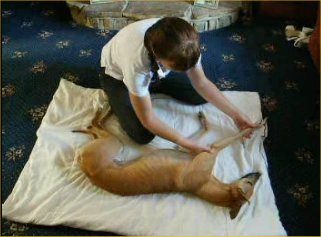 Most people think of Chiropractic as a means of treating a sore back, but it can be used for more than this. When a dog is ill or lame he is often in pain. This can cause the dog to limp or hunch so that he changes his posture and gait to varying degrees. These compensatory changes can then cause secondary problems to occur in other areas of the body, exacerbating the original problem, so that it appears to become worse. Susan Sargeant tells us briefly how chiropractic has helped two of our canine friends who were originally given a poor prognosis:
 Jasper bucked, not just a small buck, he had been doing small bucks a lot lately. He had’nt wanted to canter and as Amy asked him for the third time he abandoned his napping technique and bucked. This buck reached new heights, it was HUGE, Amy was unseated and saw the ground coming towards her. Well actually it wasn’t just ground it was a large muddy puddle and she landed right in it. Amy gathered her senses and wondered exactly what she had done to deserve such a bad horse. Jasper had come from a home where he had badly fitting tack, his rugs were too small, his saddle too tight. He hated being tied and had pulled back and gone over backwards several times before Amy bought him. Now he was loved and really well looked after, but over the 6 months since his arrival his behaviour was deteriorating. Amy would spend her last penny on him and yet he repayed her like this. He was one ungrateful equine and she was drenched and miserable.
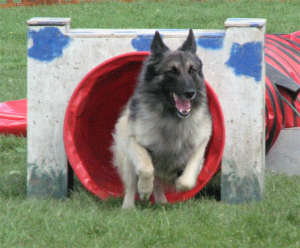 How often do we as dog owners find that one minute our dogs seem fine but the next they are ‘not quite right’. It is difficult to say when it happened, but over a few weeks or months you may notice small things such as your dog having difficulty getting into the car, up the stairs or onto their favourite chair. Maybe they don’t want to get out of bed, go for a walk or greet you how they used to. They may growl, whimper when touched or worse still, bite. If they are a competition dog their performance may be reduced.